Novotel Danang Premier Han River - Family & Business trip hotel - Discover Marble Moutain Da Nang: Tickets, Hours & Travel Tips



Discover Marble Moutain Da Nang: Tickets, Hours & Travel Tips
Are you planning a half-day visit to Marble Mountains but are not sure which route to take, how much it costs, or whether you should use the elevator? Marble Mountains Da Nang is a limestone mountain complex located near the sea, about 8–11 km from the city center. In 2025, this scenic site welcomed more than 2 million visitors. This article summarizes ticket prices, opening hours, key attractions on Thuy Son, Non Nuoc Stone Carving Village, and practical notes to help you plan your visit more proactively.
What makes Marble Mountains Da Nang special?
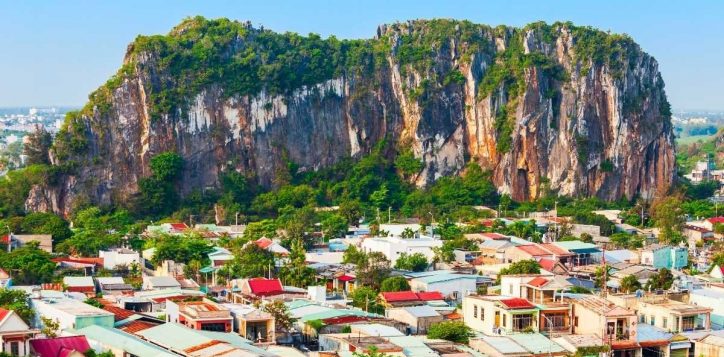
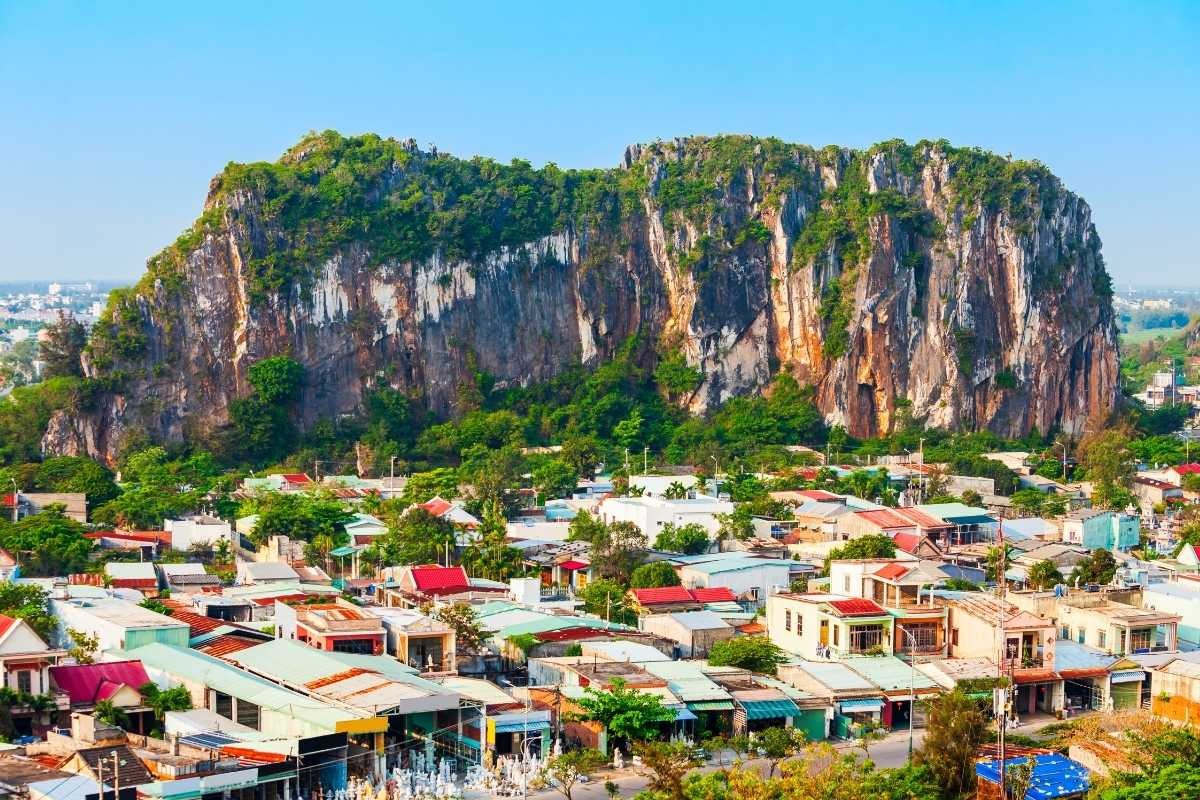
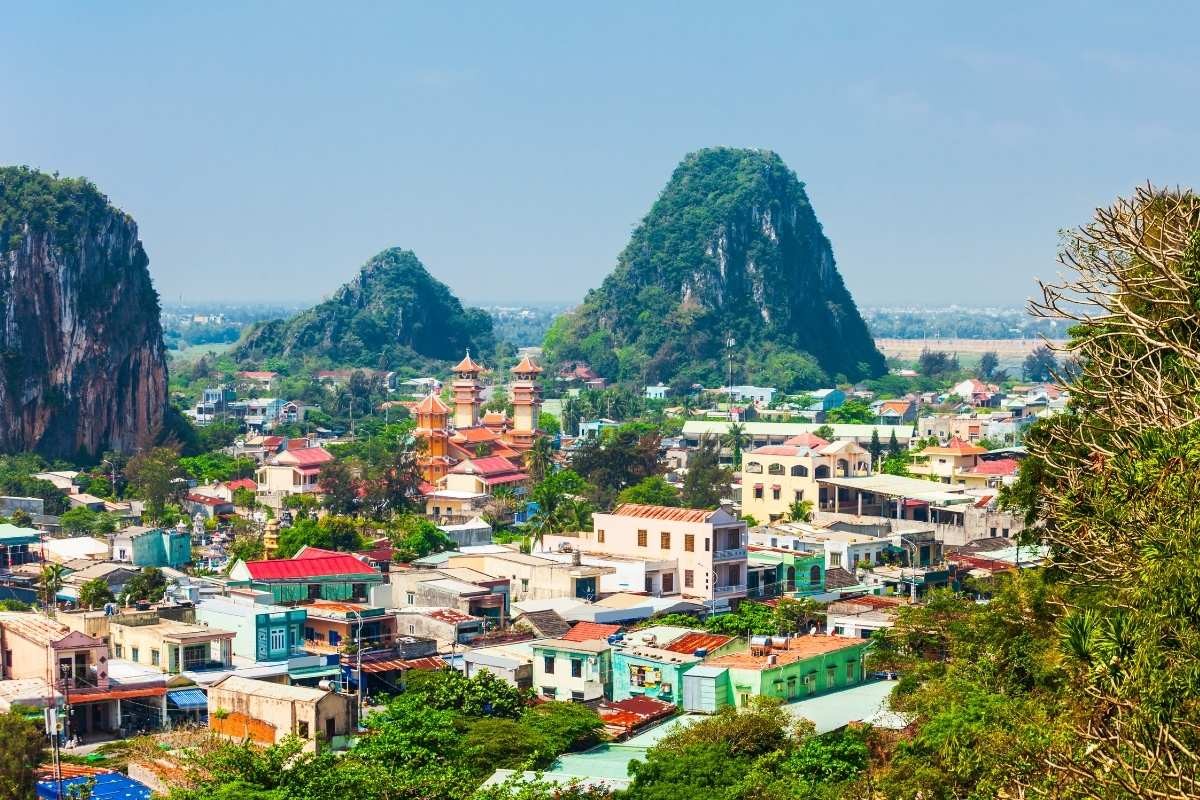
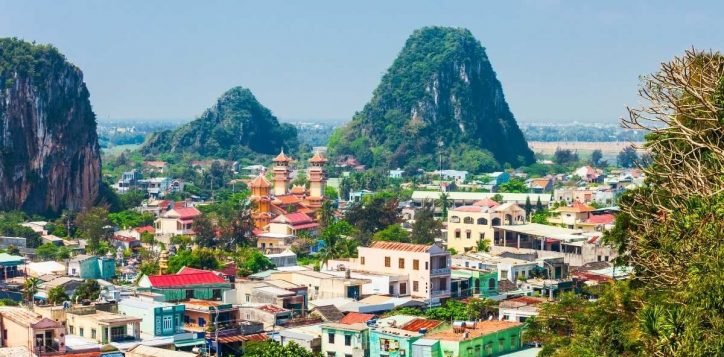
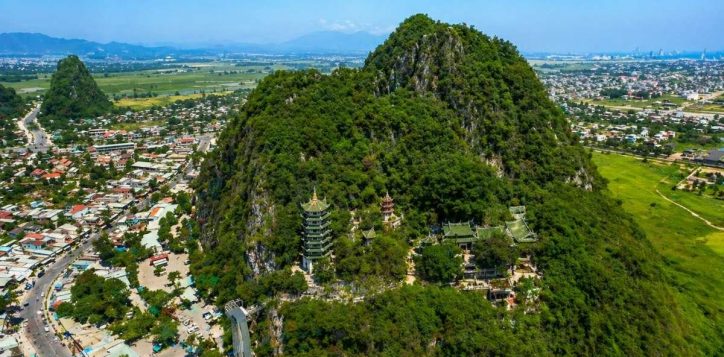
Marble Mountains Da Nang is located at 81 Huyen Tran Cong Chua Street, Hoa Hai Ward, about 8–11 km from the city center depending on your starting point. This scenic site consists of 6 limestone mountains, because Hoa Son is divided into Am Hoa Son and Duong Hoa Son, so the name “Ngu Hanh” carries more symbolic meaning than the actual number of mountains.
In 2025, this site welcomed more than 2 million visitors, showing its strong appeal to both domestic and international travelers.
The notable feature of Marble Mountains Da Nang lies in the combination of coastal limestone terrain, ancient pagoda systems, and natural caves. You can climb the mountain, visit pagodas, explore rock caves, and observe the surrounding area from above. This is one of the rare attractions in Da Nang that brings together landscape, spirituality, and cultural value within one journey.
Attractions you should not miss when visiting Marble Mountains
Thuy Son
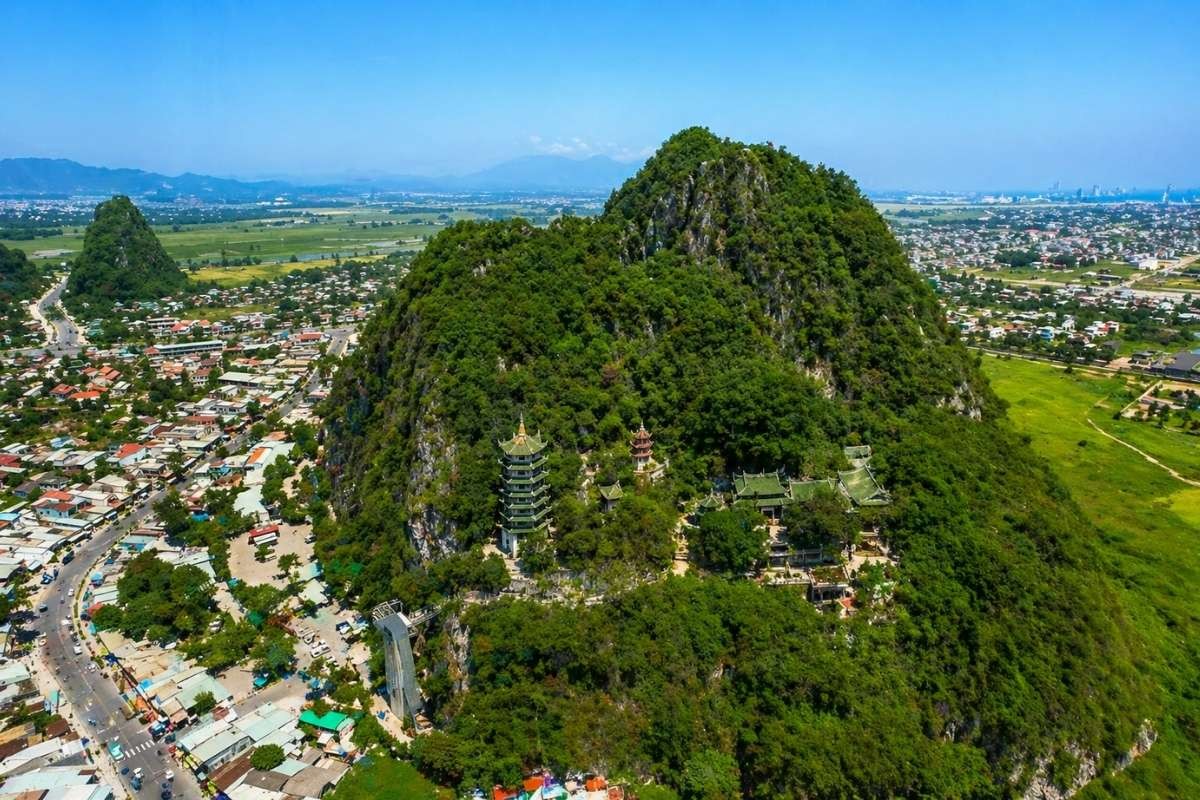
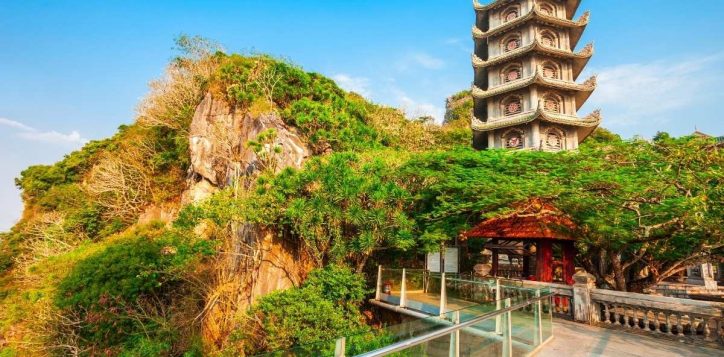
Thuy Son is the largest and highest mountain in the Marble Mountains Da Nang complex, with an elevation of about 106 m. This is where most of the main attractions are concentrated, such as Huyen Khong Cave, Am Phu Cave, Tam Thai Pagoda, and Linh Ung Pagoda at Marble Mountains.
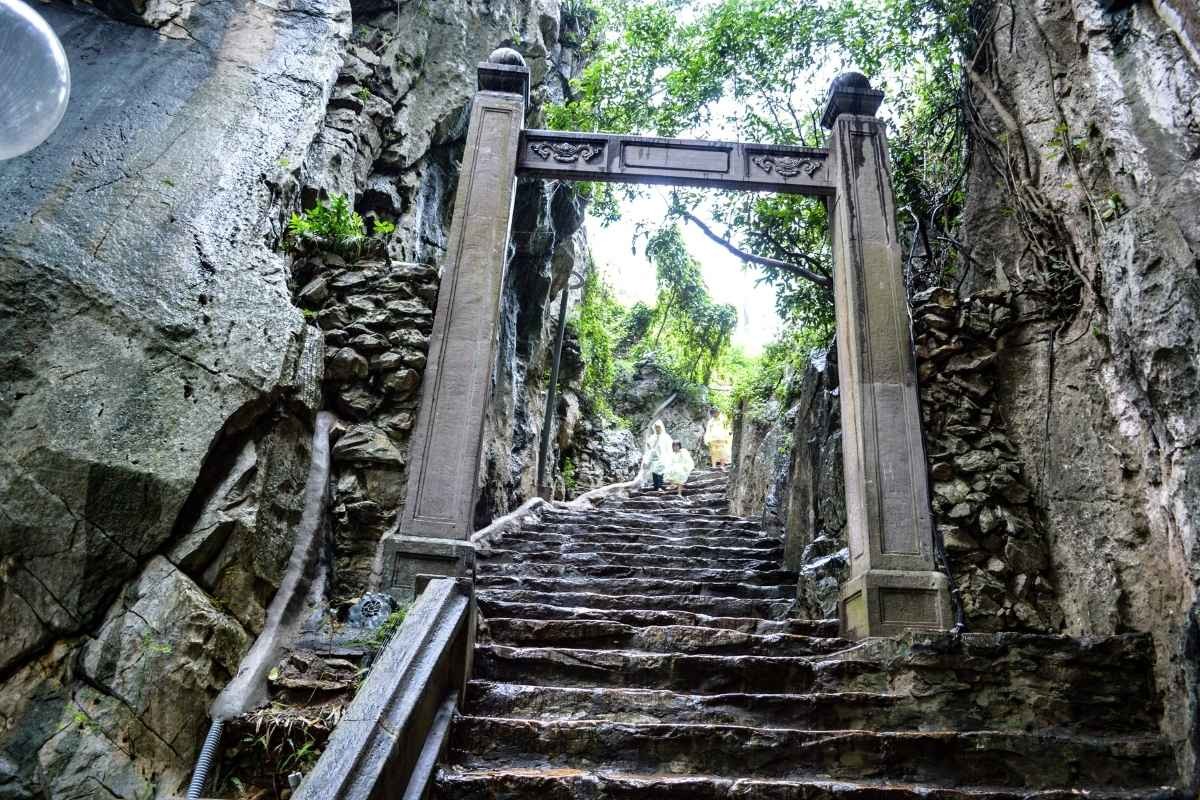
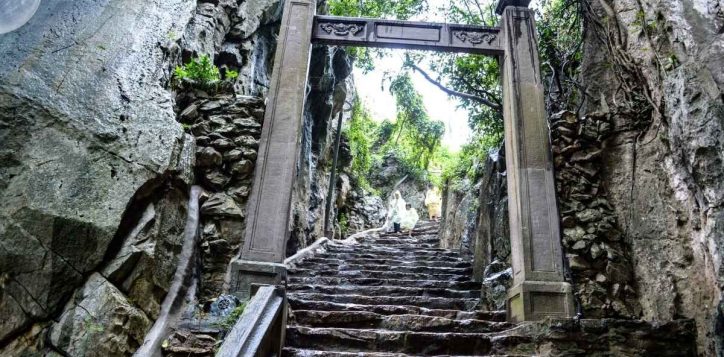
When moving around Thuy Son, you will follow a system of built stone steps, with stops located along the route. Each section can combine cave exploration, pagoda visits, or stops at viewpoints with wide visibility. Thanks to this layout, the journey does not concentrate all physical effort at one point but can be divided into smaller stages.
If this is your first visit, you should prioritize Thuy Son in your itinerary. This area includes all the signature experiences such as mountain climbing, limestone cave exploration, and ancient pagoda visits, suitable for a half-day Marble Mountains itinerary while still ensuring a complete experience.
Huyen Khong Cave
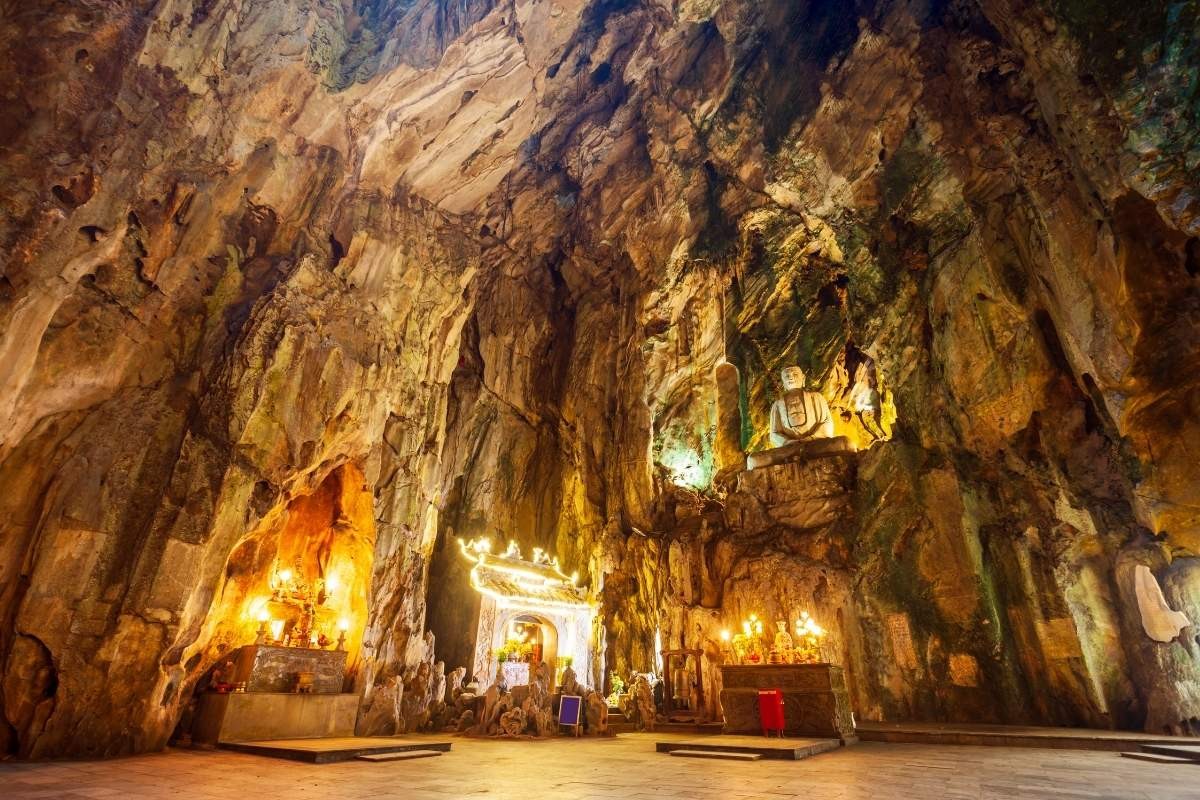
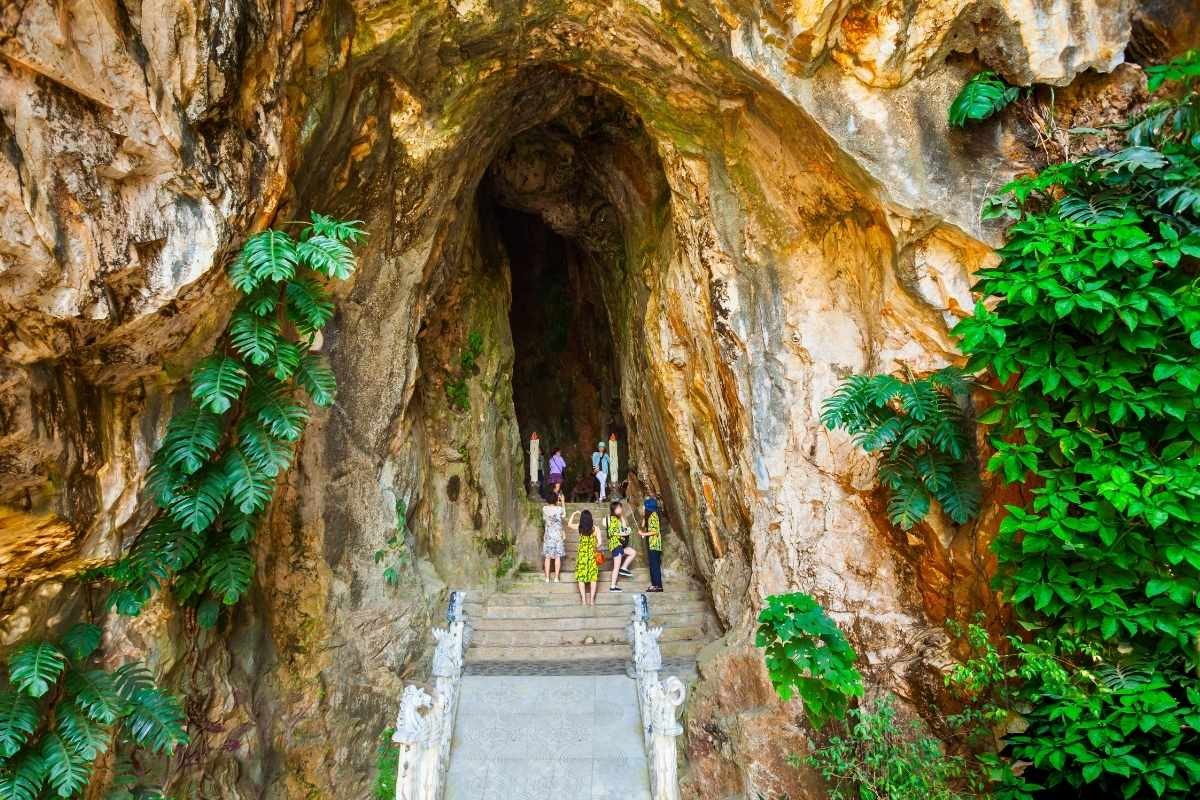
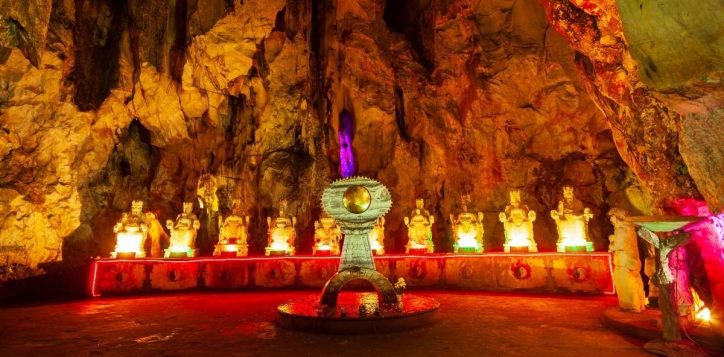
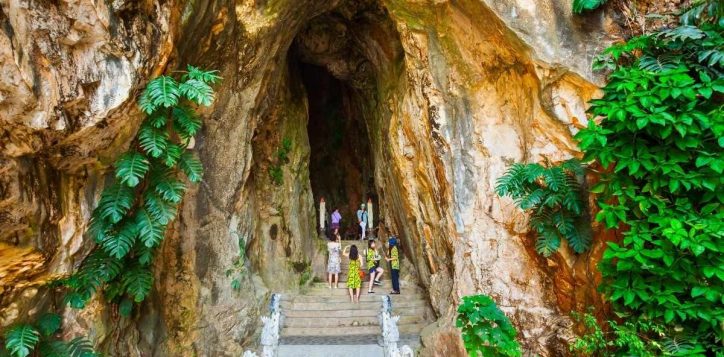
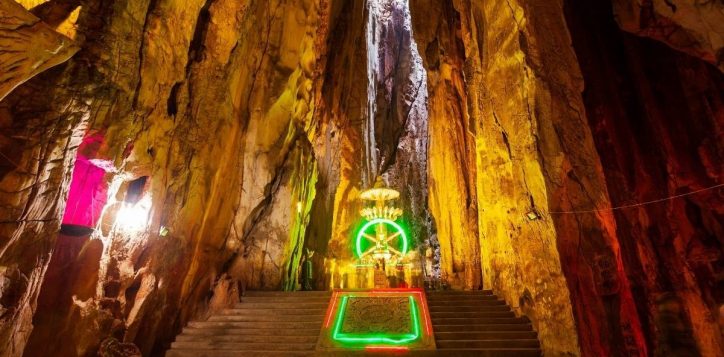
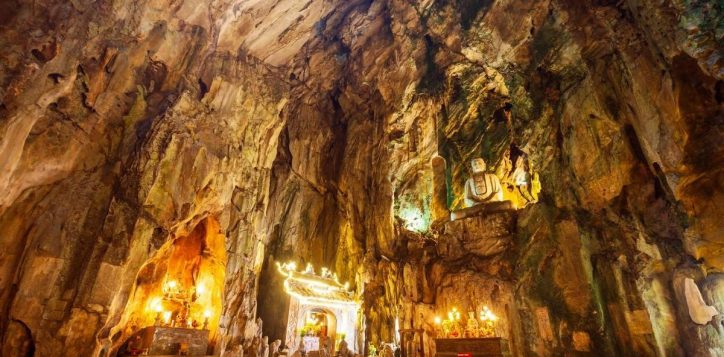
Huyen Khong Cave is one of the most beautiful, mystical, and spiritually significant caves in Marble Mountains. The cave is located on the slope of Thuy Son, about a 5-minute walk from Tam Thai Pagoda. The cave entrance is wide and about 10 meters high.
The first impression when entering is the vertical openness of the space, with natural light shining down through openings in the cave dome. Thanks to this light source, the entire cave interior changes subtly with the time of day, creating a very distinctive mystical feeling.
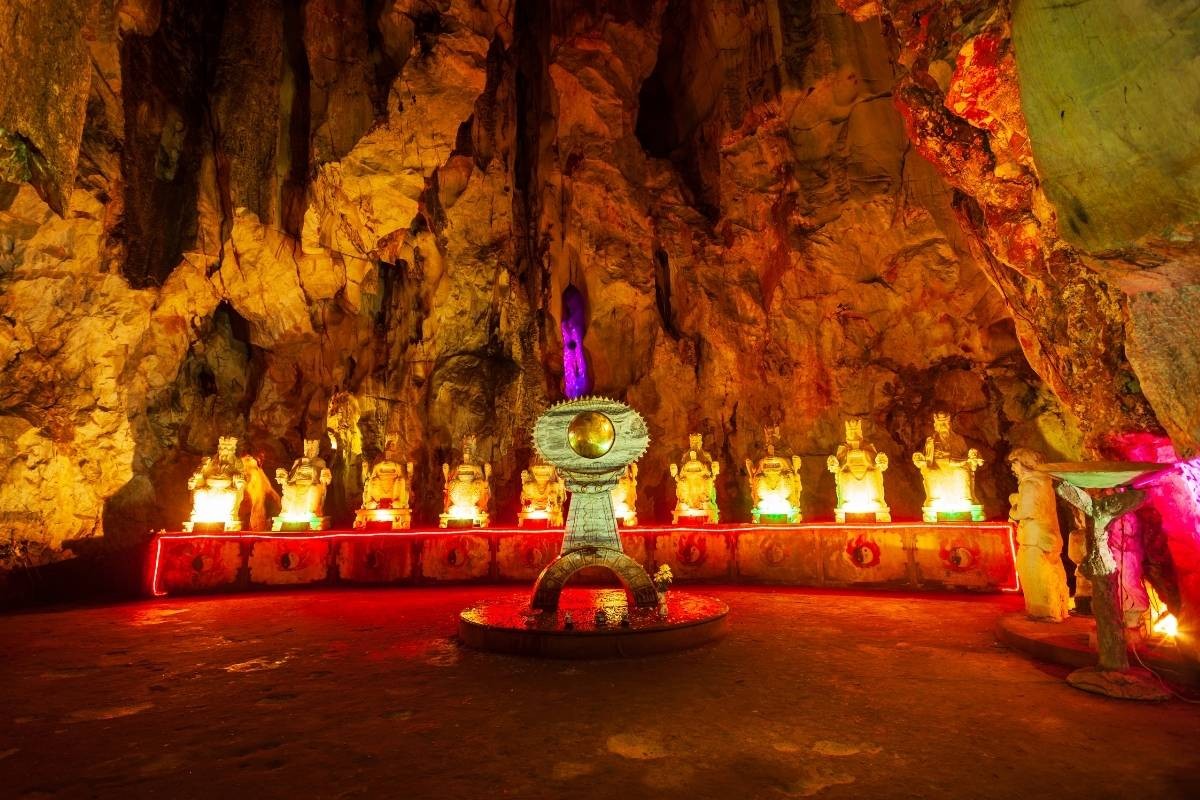
Inside the cave, worship areas are arranged harmoniously within the natural rock structure, maintaining a quiet and solemn atmosphere. This is a suitable stop if you want to take photos, clearly observe limestone layers formed over time, and feel the meditative atmosphere characteristic of the Thuy Son area.
Tam Thai Pagoda
Tam Thai Pagoda is also located on Thuy Son and is one of the ancient pagodas with a long history in Marble Mountains. According to local tourism records, the pagoda was built in 1630 and has undergone many restorations through different dynasties.
During the reign of King Minh Mang, the pagoda received special attention. In 1826, the royal court had 9 statues and 3 large bells cast and placed here. Today, some artifacts are still preserved, including a bell engraved with King Minh Mang’s name and the inscription “fire heart.”
The pagoda space lies among limestone mountains, relatively separated from crowded areas. If you are interested in ancient temples and historical traces from the Nguyen Dynasty, this is a place worth stopping at during your Thuy Son visit.
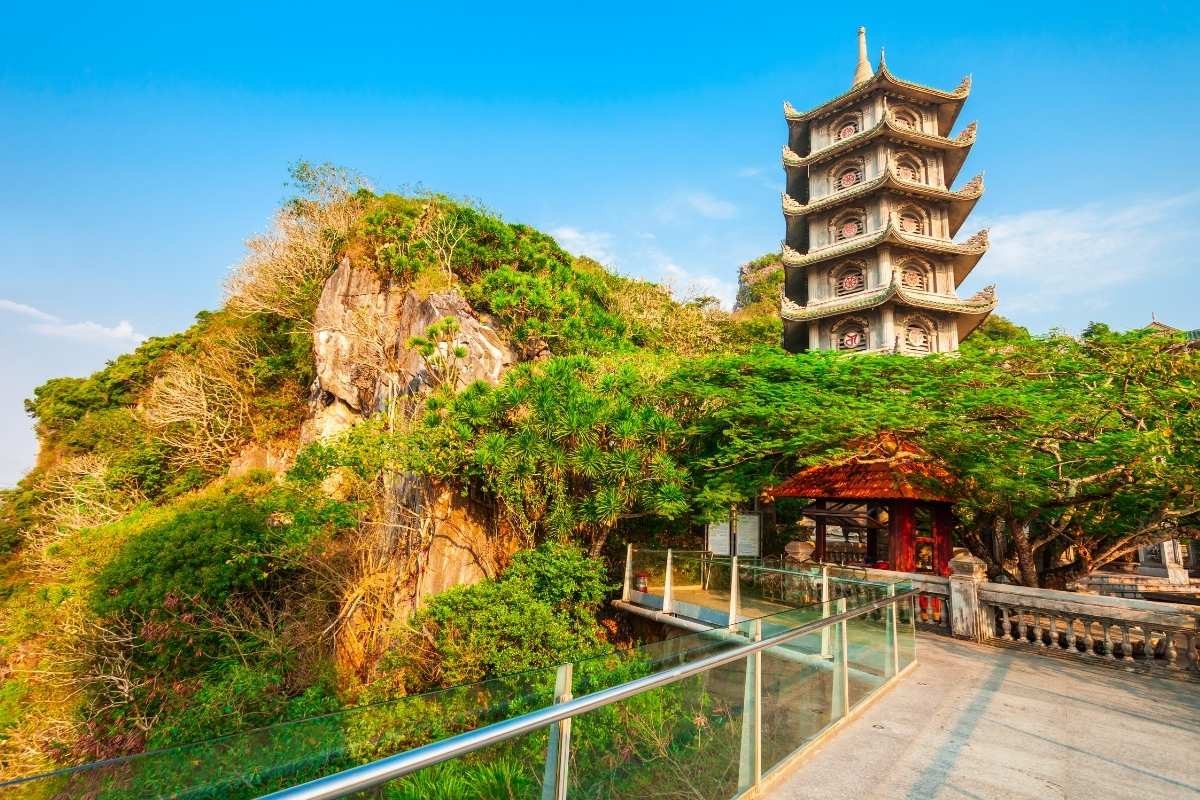
Linh Ung Pagoda
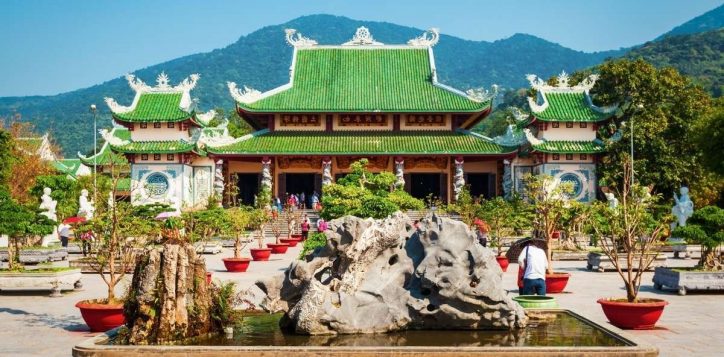
Linh Ung Pagoda at Marble Mountains is located on the slope of Thuy Son, facing the sea and backed by limestone cliffs. This pagoda originated from a small hermitage and was later rebuilt in 1825 under King Minh Mang. During the reign of King Thanh Thai, the pagoda was officially named Linh Ung Tu as it is known today.
The pagoda space is quite open and separated from crowded areas, so it is fairly peaceful. Its architecture is closely connected with the limestone terrain, making it a suitable stop if you want a slower moment during the journey while learning more about Buddhist history in the Marble Mountains area.
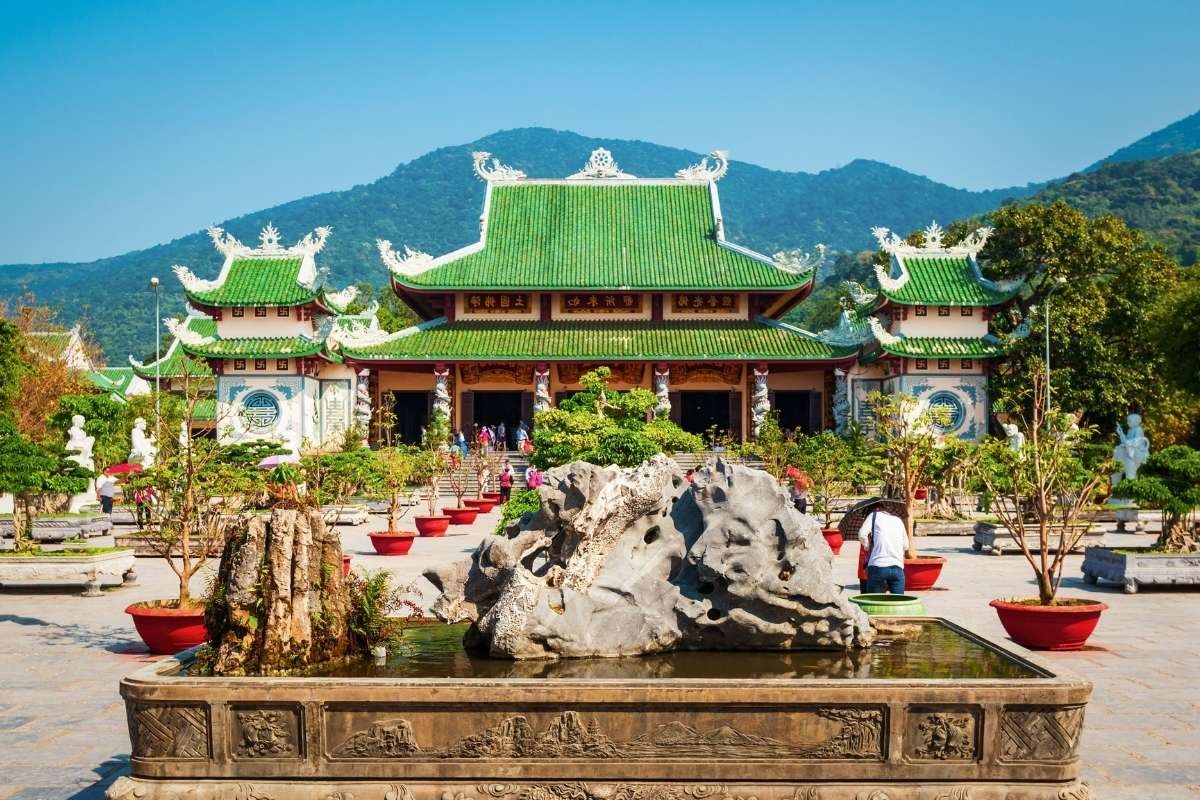
Vong Giang Dai
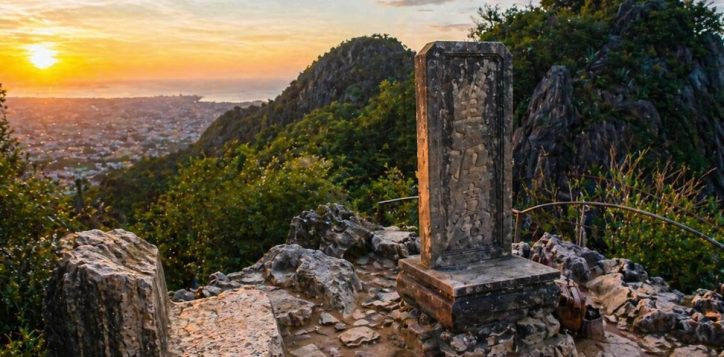
Vong Giang Dai is located near Tam Thai Pagoda, about 50 m away by walking path. This is one of the stops with an open view on Thuy Son, suitable for resting after moving through the stone steps.
From this position, you can observe the Co Co River and the surrounding landscape around Marble Mountains. The viewpoint is open and has little obstruction, making it quite convenient if you want to take photos or simply admire the scenery from above.
Vong Giang Dai is often combined in the same route with Tam Thai Pagoda because the distance is short and does not require much detouring. You can make a quick stop during the itinerary without affecting the overall travel time.
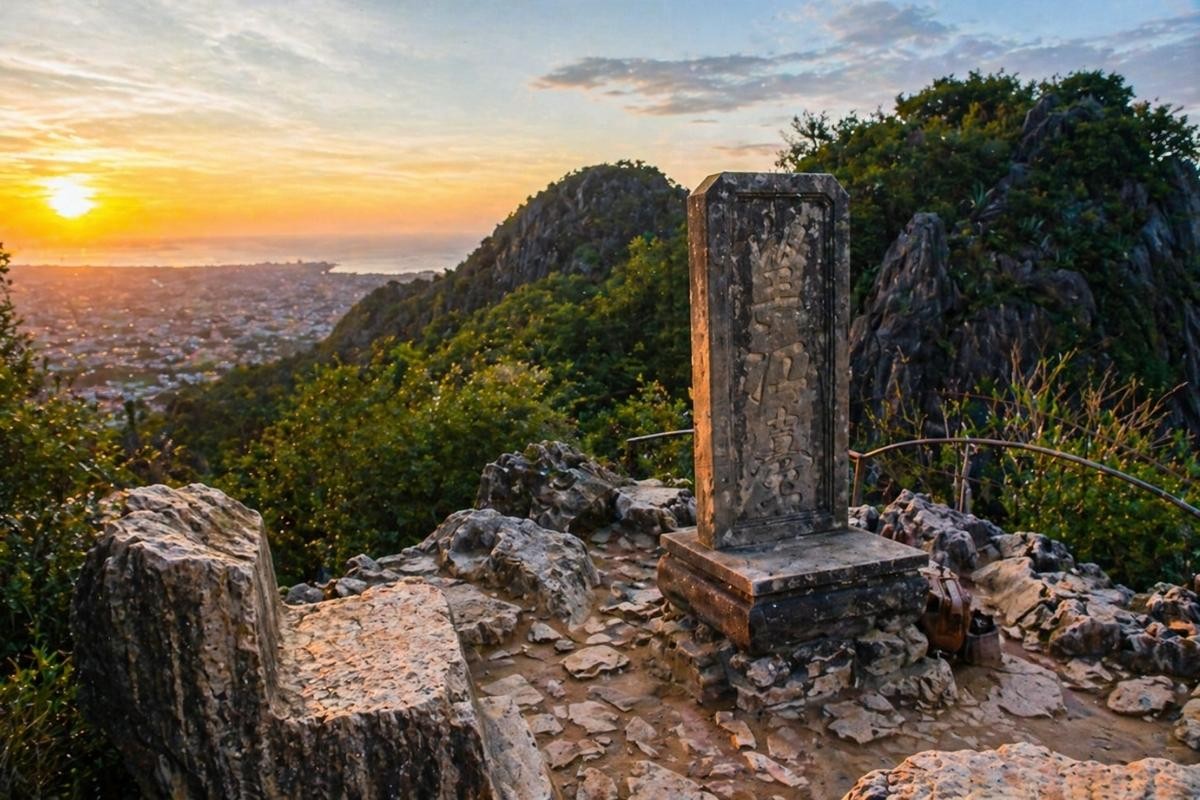
Am Phu Cave
Am Phu Cave is located on the southern side of Thuy Son and is one of the caves with deep space and a complex structure within the scenic site. As you move inside, the light gradually decreases, creating a clear sense of separation from the outside.
The cave interior is arranged according to the image of “the underworld” in Buddhist belief, with areas simulating the journey after death. This arrangement gives the visit a stronger spiritual tone than other caves at Marble Mountains.
In addition to the religious element, the cave also preserves a stele marking the activities of guerrillas and local soldiers during the resistance period. If you want to learn more deeply about the spiritual and historical aspects, this is an area worth spending extra time exploring.
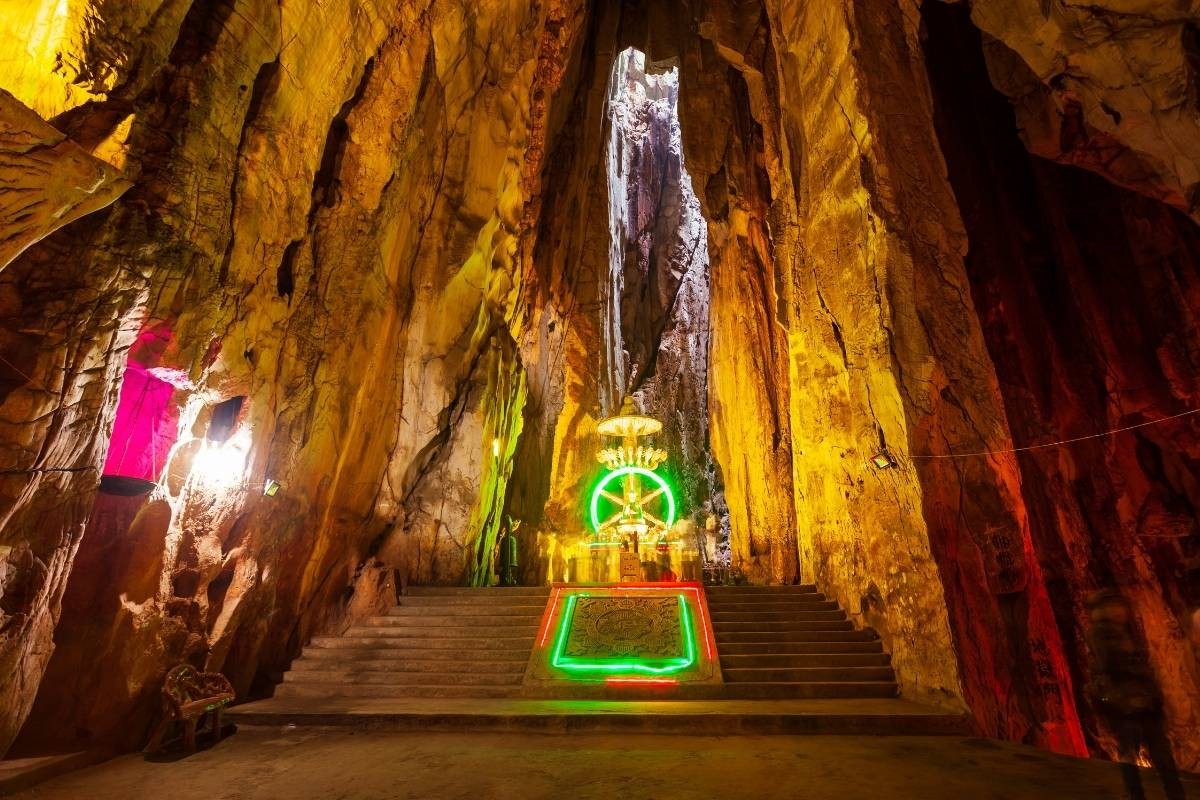
Kim Son
Kim Son is smaller in scale than Thuy Son and is located near the old Co Co River area. This area includes places such as Quan The Am Pagoda, Thai Son Pagoda, Quan Am Cave, and Tam Thanh Cave, with fairly flat paths that are easy to walk.
The atmosphere at Kim Son is quieter, with fewer stone steps and no need to climb high. Therefore, the experience here leans more toward visiting pagodas and learning about spiritual elements, rather than walking through multiple terrain levels like at Thuy Son.
If you want a gentle route that requires less physical effort but still allows you to visit pagodas and small caves, Kim Son is a suitable option to balance your itinerary after visiting more crowded areas.
Non Nuoc Stone Carving Village
Non Nuoc Stone Carving Village is located right at the foot of Marble Mountains, convenient to visit after finishing your route on the mountain. This is a traditional craft village of Da Nang, specializing in stone products such as Buddha statues, sacred animals, and decorative items.
Stone carving here took shape around the 17th century, associated with the name of artisan Huynh Ba Quat. In 2014, this craft was included in the National Intangible Cultural Heritage List, showing its long-term cultural and artisanal value.
When visiting, you can directly observe the crafting process at small workshops along the road. If you want to buy souvenirs, take time to compare several shops for design and price before choosing. This is a suitable stop to close the trip gently.
Marble Mountains visitor information: Ticket prices, opening hours, and transportation
When planning a trip to Marble Mountains Da Nang, you should know the ticket prices and opening hours in advance to manage your itinerary proactively.
- The current entrance ticket for the Thuy Son area is VND 40,000/adult, VND 10,000 for students, and free for children under 6.
- The entrance ticket to Am Phu Cave is VND 20,000/adult and VND 7,000 for students.
- If you want to save energy when going up the mountain, you can choose the Marble Mountains elevator ticket at VND 15,000 per ride.
The scenic site is open to visitors from 07:00 to 17:30 daily, so you need to arrange entry before closing time to have enough time for sightseeing.
Regarding transportation within the site, if you want to experience the full journey, stop for photos, and walk slowly while enjoying the scenery, climbing on foot is a suitable option. Conversely, if you travel with elderly family members or want to save energy for visiting pagodas and caves, buy the Marble Mountains elevator ticket. The elevator will take you near the top, from where you only need to walk a short distance to reach the main attractions.
Historical, spiritual, and heritage value of Marble Mountains
Marble Mountains Da Nang was recognized as a special national relic on December 24, 2018, affirming the position of this scenic site within Vietnam’s heritage system. Besides natural landscapes, the core value of the area lies in the system of Han-Nom cliff inscriptions carved directly onto rock walls inside the caves.
The entire complex currently has 78 cliff inscription texts, which have been inscribed in the Memory of the World Programme for Asia and the Pacific. Among them, Hoa Nghiem Cave has around 20 texts, while Huyen Khong Cave preserves nearly 30 steles. The inscriptions date from the 17th century, with the earliest recorded document from 1631.
In addition, the Quan The Am Festival held in the Kim Son area was included in the National Intangible Cultural Heritage List in 2021. These elements show that Marble Mountains is not only a sightseeing destination but also a space preserving historical, religious, and cultural traces across many periods.
Ideal time to visit Marble Mountains and suggested half-day itinerary
The suitable time to visit Marble Mountains Da Nang is from around February to May, when temperatures range from 22–28°C and the weather is fairly stable. This period is favorable for climbing and moving between attractions.
In summer, you can still visit, but you should arrange your schedule early in the morning before 09:00 or in the afternoon after 15:00 to avoid harsh sunlight. Late October and November often have rain, and stone steps can become slippery, so you should consider carefully before going.
If you only have half a day, you should focus on Thuy Son. The suggested route includes Huyen Khong Cave → Tam Thai Pagoda → Linh Ung Pagoda at Marble Mountains → Vong Giang Dai. This route covers the main attractions and can be completed within a few hours.
If you have more time, you can visit Non Nuoc Stone Carving Village after descending the mountain or combine the trip with Hoi An. The distance is about 20 km, convenient for connecting within a same-day itinerary.
Important notes before visiting for a complete trip
You should choose shoes with good grip because most walking paths are stone steps with a certain slope. Bring drinking water, especially if visiting at noon or during summer. Enter early enough to have sufficient time for sightseeing and avoid arriving too close to closing time.
When parking, choose the official parking area arranged at the scenic site to avoid unclear extra costs. Clothing should be respectful when entering pagodas. If you plan to climb on foot instead of using the elevator, consider your physical condition to ensure a more comfortable itinerary.
Where should you stay to conveniently explore Marble Mountains and central Da Nang?
If you want to keep your itinerary compact and flexible throughout the trip, choosing accommodation in the city center will make planning easier. After visiting Marble Mountains Da Nang, you can return to the inner city to rest, have dinner, or continue exploring the Han River area without spending much travel time.
Novotel Danang Premier Han River is located on the west bank of the Han River, right on Bach Dang axis in Hai Chau District. From here, you can travel to Marble Mountains, Son Tra, or My Khe Beach via main roads, making it quite convenient for both sightseeing and work schedules.
The hotel has 328 rooms and suites and 90 serviced apartments, along with amenities such as restaurants, spa, gym, yoga, and event spaces. You can arrange a morning visit, return to rest in the afternoon, or continue your city itinerary without interruption.
In particular, do not miss the opportunity to receive up to 15% off when booking directly and enjoying a complete stay. Get 5% off for ALL members (free registration at Accor.com), and an additional 15% off for ALL Accor+ Explorer cardholders. Guests interested in the ALL Accor+ Explorer program can contact the hotel and restaurant directly for consultation and card registration.
 Novotel Danang Premier Han River ☆☆☆☆☆
36 - 38 Bach Dang Street, Hai Chau District, 550000 Danang City
Vietnam
Tel: +84 (0)236 392 9999
Email:
H8287@accor.com